Lucky Khera suggests ways in which practitioners can support mark making in an increasingly digital world…
Writing is an indicator for success for children throughout their schooling and beyond, so it’s imperative they master the foundational skills needed to become a confident writer in early years.
However, we still have some way to go to ensure all children have those skills secured by the end of Reception.
Writing is currently the lowest-scoring metric of all learning goals in the early years assessment. In 2024/25 just 71.8% of children hit the expected level.
While there have been incremental improvements over time, there remains a clear lag compared to other areas of learning.
One of the biggest challenges we face in improving children’s writing is the growing influence of technology.
For many children, life in a digital world looks very different to the skills we’re asking them to learn – and the gap is widening.
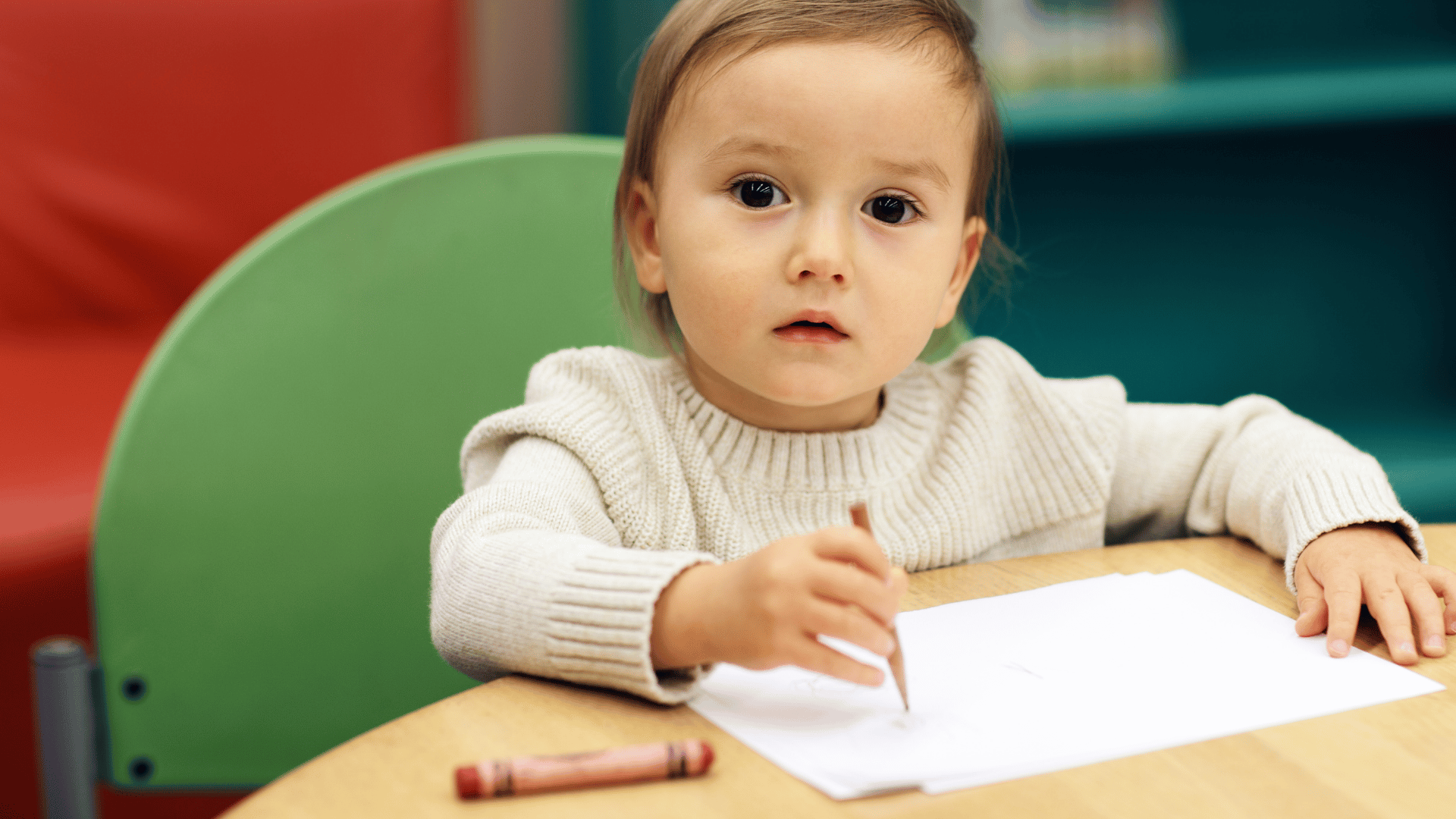
As early years practitioners, we must bridge the divide and make positive changes that help children discover the joy of mark making, creativity and early writing.
World Health Organisation and government guidance advises a one-hour daily screen-time limit for children aged two to five years, and avoiding screen time altogether for younger children (other than for shared activities).
In reality, many children have far more screen time than recommended, leading to fewer opportunities to build the physical dexterity, strength and coordination needed for mark making and early writing.
Tapping, swiping, pinching and zooming on a screen offers some practise in fine-motor control and hand-eye coordination, but it’s no replacement for real, hands-on experiences.
To develop the muscle strength, stability and control needed to hold and guide writing tools, children need opportunities to manipulate objects, grasp, squeeze, twist, build, and explore with their hands.
Wrapping elastic bands around a cork, bending wire into shapes, using tweezers to pick up small objects, twisting using screwdrivers, slotting keys into padlocks, or balancing marbles on golf tees are all playful, hands-on activities you can do with everyday objects that build the same fine-motor strength and control required for early writing.
The children most eager to begin their writing journey are often those inspired to express something that interests them.
Whether it’s animals, dinosaurs, cars or another passion, the chance to talk about what they love gives them a powerful motivation to communicate.
But for children to have something they’re excited to share, they first need rich experiences to draw from. Swapping watching programmes or videos with little educational value for a varied diet of books, real-life experiences, role play, and small-world play all help to fire imaginations and give children ideas they can’t wait to talk about.
Understanding the cultural capital of your cohort gives you valuable insight into which children may need more real-life experiences to spark their imagination.
New experiences might come from within your setting (e.g. exploring different cultural traditions, tasting new foods or listening to world music), or from outside (e.g. visiting the local park or library).
Broadening children’s experiences broadens their ideas, language, and their motivation to write.
Research suggests only 15% of adults use writing on a daily basis. With smartphones, tablets and computers making it quick and convenient to write notes, messages, lists and cards, many adults rarely pick up a pen.
For children, this means fewer opportunities to see adults modelling writing at home. They don’t see how people hold a pen, move their hand or the marks made on the paper.
Without these everyday experiences, it becomes harder to spark children’s curiosity about writing or inspire them to imitate what they see.
Bring writing into children’s play when joining in with scenarios they love – for example, jotting down food orders and adding dishes to the menu board in the outdoor kitchen.
When children see writing woven into the play they already enjoy, it feels meaningful, fun and connected to their interests.
As adults write less often, children also get fewer chances to see handwritten letters and numbers in everyday life.
At home, they might still see writing in greetings cards, on a family planner or a handwritten shopping list. But in the outside world, most of what they see is printed: shop signs, café menus, posters and labels.
Even in early years settings, many resources feature printed words rather than handwritten ones. Printed text is incredibly useful for supporting letter recognition and early reading because the letters are clear and consistent.
However, it doesn’t show children what their own writing might look like. Without exposure to natural, handwritten forms, children miss the chance to understand how letters vary when people write them and why their own writing doesn’t have to be perfectly uniform.
Find a balance of handwritten and printed labels. Invite children to talk about their creations in their own words and scribe their descriptions for them.
This creates more handwritten examples around your setting, and shows children their ideas, voice and contributions matter.
Technology may be reshaping the world around us, but writing remains a vital skill that unlocks children’s access to learning and empowers them throughout their education.
By being intentional in our practice and working alongside parents and caregivers to gently un-digitalise children’s environments, we can create the rich, hands-on experiences they need and help every child grow into a confident mark maker and an enthusiastic young writer.
Make it meaningful: When writing opportunities feel purposeful and link to children’s interests, motivation to write grows naturally.
Celebrate writing: Display children’s mark making to value and celebrate their journey towards becoming writers.
Offer a rich variety of tools: Inspire children with a range of writing materials, as novelty can spark curiosity.
Incorporate movement and large-scale marks: Brushes, rollers, mops, water or sticks in mud can facilitate large movements to help develop gross motor skills.
Model mark making: When children see practitioners drawing, annotating, or writing for real purposes, it shows mark making is meaningful and valued.
Use Pupil Premium effectively: Consider purchasing resources for children to take home, ensuring their enthusiasm for mark making continues beyond the school day.
Engage parents and carers: Encourage them to give children everyday tasks, such as pegging out washing, kneading dough or twisting bottle lids, to support their development.
Use favourite characters as prompts: You can’t compete with Bluey, but you can use characters to spark creativity: Where will Bluey go on holiday? What will she do? Shall we design a postcard she might send home?
Be patient: Children’s hands are still developing up to KS1, so holding writing tools may feel uncomfortable. Gentle encouragement and time to build physical strength are key.
Lucky Khera is lead early years adviser at HFL Education.

Speech and language support – Resources for Early Years
Editors picks