Surround early years children with resources they encounter at home, plus a generous helping of curios, and watch them learn, says Kirstine Beeley…
Reading material
Central to the Characteristics of Effective Learning is the idea that “children learn best with what they know”. There is much we can do to bring the real world that children are familiar with into our settings.
What to try
Early reading is far from being just about phonics and storybooks. It’s also about building children’s confidence to attack new words and new situations.
Promoting reading for a reason around your setting will help to develop this confidence. Try adding real packets and tins into your role play, plus real magazines, newspapers and TV guides, calendars, comics and lots of logos.
Children who can recognise their local supermarket, favourite TV programme or fast food chain logos can then be encouraged to look at less familiar texts with renewed gusto, buoyed by their success.
Remember…
The above are all examples of what most of us use reading for on a daily basis. It’s the type of reading children will see going on around them outside your setting.
Intriguing objects
Introducing assorted ‘bits and bobs’ around your setting is a great way to bring out children’s natural curiosity about the world around them…
What to try
Many of us will recall experiencing a particular enthusiasm to explore and play at our grandparents’ houses when we were younger.
Recreating that sense of old-fashioned ‘magic’ by filling your setting with intriguing trinkets. Think everything from ornaments to thimbles, and coins to costume jewellery. These can bring out imaginative play, talk and cooperative skills.
Children afforded china and porcelain cats, dogs and pigs, for example, are able to imagine and play out scenarios that are so much more exciting to them than with plastic farmyard toys.
Exploring colours, textures and materials that are unfamiliar builds early exploration and questioning skills. It also stimulates the sensory synapses in young brains.
Remember…
Providing early years children with real resources and objects helps them to build real learning in an engaging, home-from-home environment.
Plastic-free early years resources
There is an increasing movement within early years in many countries to break away from the use of plastic and embrace real-world resources…
What to try
Include real pots and pans in role play and mud kitchens. This encourages children to revisit situations they’ve experienced and to play imaginatively.
The use of authentic crockery, cups and saucers is not just an aesthetic choice. In giving early years children access to resources that are not indestructible we encourage a sense of care and pride in their surroundings.
We also develop their understanding of cause and effect: “If we throw this saucer it will break. We will no longer have it to play with.”
With careful risk assessment, the use of these items quickly develops a shared sense of belonging and builds life skills that children can transfer to their home settings.
Remember…
Parents would much prefer us to teach our children to be careful with their precious objects than to give them a false sense of the world being unbreakable.
Children need to understand both the ‘mechanics’ of maths and its application…
In early years there are lots of ways to bring real and significant numerals into our settings. Thinking about all the ways we, as adults, come into contact with numbers helps us to replicate similar experiences in our settings.
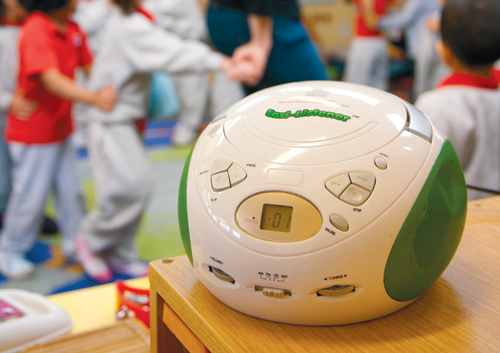
Try adding clocks (digital and analogue), remote controls, food packets and tins. Birthday cards can be used to create a real-world number line with real significance to children.
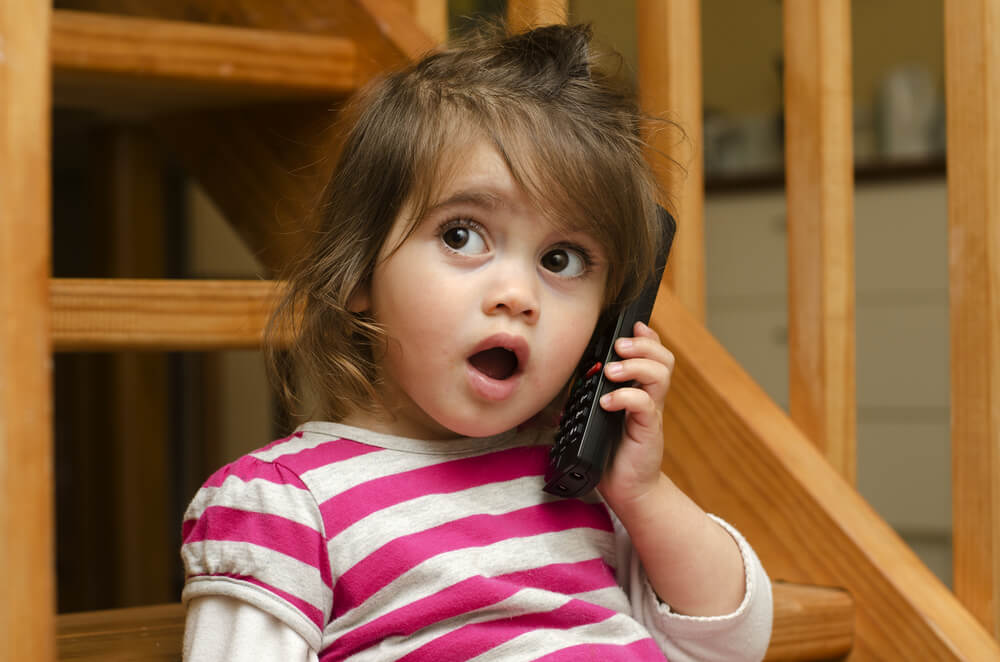
Old mobile and landline phones can be used with self-made imaginary phone books – imagine the excitement of being able to dial up Spider-Man or Peppa Pig!
Kirstine Beeley is an author and educational consultant.

Development Matters – Preparing for the new EYFS
Editors picks

EYFS poetry – How to use it to enhance literacy journeys
Editors picks