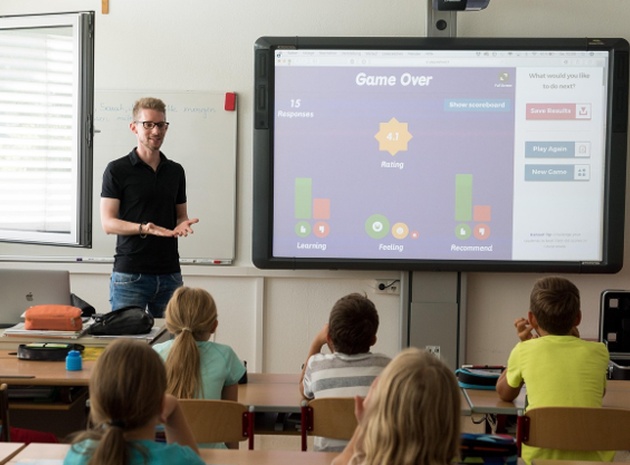
What actually makes a classroom feel calm, focused, and productive from the moment students walk in? It is not strict rules or constant reminders. The real answer is consistency.
Many parents and educators assume that engagement comes from exciting lessons alone, but even the most creative activities fall apart without structure. When routines are unclear and expectations shift, students spend more time adjusting instead of learning.
If you wish to understand the different ways teachers create classrooms where students feel secure and ready to learn, here are some insights that will help you get started.
Clear routines give students a roadmap for the day. When children know what to expect, they can focus on learning rather than worrying about what might come next.
Inconsistent expectations can leave students feeling unsure and distracted throughout the day. Educators at institutions like Legacy Queen Creek in Arizona always emphasise structured daily actions so students can settle in quickly and stay focused on learning.
Some of the most effective include:
● Morning procedures
● Transition signals
● Clear behaviour expectations
A well-managed classroom is not only about rules but also about connection. Students are more likely to participate and follow expectations when they trust their teacher.
Building that trust starts with small actions. Greeting students at the door, remembering details about their lives, and listening when they speak all help create a sense of belonging.
Respect also plays a major role. When teachers model patience and fairness, students begin to mirror those behaviours. The classroom becomes a place where learners feel comfortable speaking up, asking questions, and making mistakes.
Student engagement turns lessons into real learning. When learners actively participate, they stay focused and understand concepts more clearly.
Teachers encourage this by creating lessons that require involvement, not just listening. They mix instruction with opportunities to collaborate, respond, and explore ideas.
Some simple ways educators use to promote engagement include:
● Group collaboration
● Hands-on activities
● Open discussions
● Choice-based tasks
Independence grows when students are given clear expectations and the chance to meet them on their own. Teachers guide students early on, then slowly step back as confidence builds.
This process often starts with modelling. A teacher demonstrates how to complete a task, then practices it with the class before asking students to try it independently.
Consistency is what makes the whole thing work. When expectations stay the same, students know how to approach tasks without needing constant reminders. That sense of ownership helps them become more capable learners over time.
Students learn best when they feel safe, both emotionally and physically. A positive classroom environment encourages respect, inclusion, and kindness.
Teachers set the tone by addressing issues early and treating students fairly. Clear expectations for how students interact with each other help prevent conflicts and build a stronger classroom community.
Inclusivity also matters. The best teachers recognise that different backgrounds, learning styles, and perspectives help every student feel valued.
What happens when classroom rules change depending on the day or the situation? Students quickly become unsure of what is expected, which often leads to frustration and misbehaviour.
Clear and consistent expectations remove that uncertainty. When students know exactly how behaviour is handled, they are more likely to stay on track and feel confident in their choices.
Positive reinforcement strengthens those habits over time. When effort and improvement are recognised, students feel motivated to continue making better decisions and to take ownership of their behaviour.
Strong classroom management shapes how students see themselves as learners. When routines, relationships, and expectations work together, learners feel more confident taking on challenges and participating fully.
Families looking for that kind of supportive environment can explore what local schools offer and see how structure and connection come together in daily learning. Taking time to find the right fit can make a lasting difference in a child’s growth, both in and out of the classroom.

 follow us @TeachEarlyYrs