With a mindful morning gathering, you can help ensure all your children are ready to learn, says Tesha Matthew…
Picture this. It’s 8.30 am. The children come bouncing through the door, coats half on, bags trailing, voices loud, energy fizzing.
They’ve been in the car, on the school run, rushing through breakfast. Some are excited, some anxious. Some are carrying big feelings they don’t yet have the words for.
And we, as early years practitioners, are standing there, ready to teach, ready to introduce new ideas, spark curiosity, and nurture little minds.
But here’s the question I kept coming back to with children: are they actually ready to learn? Not just physically present but emotionally settled and calm enough to connect.
Because here’s what I’ve come to know from over a decade of working with young children: before a child can truly learn, they need to feel regulated, seen, and safe.
And one of the most powerful and simple ways to offer them that is through a mindful morning gathering.
There’s a growing body of research around emotional readiness and early childhood learning, but you don’t need a textbook to understand it; you see it every day.
A child who arrives dysregulated, overstimulated, anxious, or overwhelmed cannot access learning in the same way as a child who feels calm and connected.
Their nervous system is in survival mode. Their brain is busy managing big feelings, not exploring new ones.
When we create a moment at the start of the day that says “You’re welcome here, let’s breathe together, let’s be still together”, we’re doing something profoundly important.
We are co-regulating and building emotional safety – quite literally preparing their brains to learn. And the beautiful thing? It doesn’t take long, or require specialist equipment, or a perfectly quiet room. You just need intention and a little bit of magic…
I remember the first time I introduced a mindful morning gathering with a group of EYFS and Year 1 children.
They came in exactly as you might expect: lively, buzzing, full of energy. It was joyful, but it was also a lot!
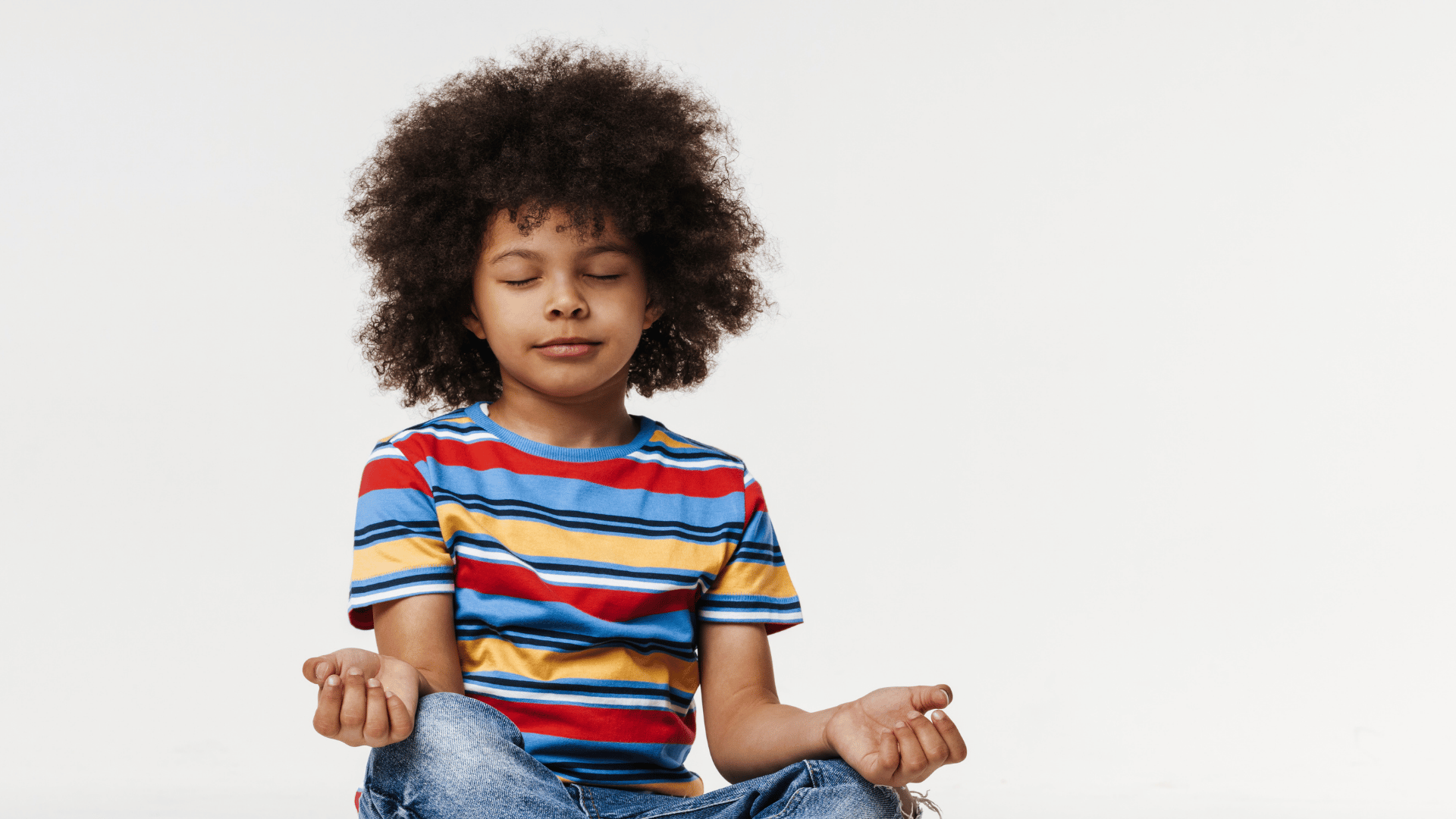
Rather than diving straight into the day, I asked them to sit down, close their eyes, and place both hands on their tummies (they looked slightly confused at first).
Then I invited them to imagine blowing up a balloon, right there in their belly. A slow breath in to fill it up, a slow breath out to let it go. And then I asked them one simple question: “What colour is your balloon?”
The room shifted. I watched it happen in real time. Within just a few minutes, those lively, excitable children had moved into a place of calm.
When they opened their eyes and started telling me their balloon colours – “Purple! Gold! Rainbow!” – they were present, connected and ready.
That single breathwork activity taught me more about the power of mindful mornings than any training course ever could. The simpler, the better. Always.
Another favourite that never fails to create a little moment of wonder is the Breathing Otter. I have a soft blue otter with a sparkly tummy, and I introduce it through storytelling.
I tell the children that the otter has magic inside and that they have that same magic inside them too. Then I pass the otter gently around the circle.
Each child holds it, takes a slow breath in and out, and feels the stillness of that moment. They love it, lean in and want a turn.
Some children have gone home and asked their parents for a Breathing Otter of their own, which tells you everything about the impact a small, intentional object can have.
This is the heart of a mindful morning gathering: not complicated or clinical but warm, playful, and rooted in the belief that every child carries something magical within them.
You don’t need a dedicated room or a perfect setup, just a consistent, welcoming space where children feel safe to settle.
When it comes to breathwork, animals are your best friend. Children are immediately enchanted by the idea that a bear or a butterfly or a snake breathes just like they do.
Here are five simple animal breathwork activities to try in your morning circle:
Ask children to breathe in slowly through their nose like a big, sleepy bear waking up, arms stretching wide, then breathe out with a long, low rumble. Grounding, slow, and instantly calming.
Children place their hands on their shoulders like folded wings. Breathe in and lift the elbows up; breathe out and lower them gently back down. Light, gentle, and wonderful for anxious little ones.
A deep breath in through the nose, then a long, slow ssssss out through the teeth. Children absolutely love the sound, and that extended exhale is incredibly regulating.
Three short sniffs in through the nose, then one long breath out. Quick and playful – brilliant for helping children arrive into the moment after a busy morning.
Hands on tummies, eyes closed. Breathe in slowly and feel the tummy rise, imagining their sparkly inner magic growing with every breath. Breathe out and let it glow. Simple, magical, and always a favourite.
One thing worth knowing is your morning gathering doesn’t have to happen sitting down. Sometimes the energy in the room calls for something a little more active.
Try doing your breathwork in a standing circle instead, adding simple movements to go with each breath. Bear Breath becomes a full-body stretch. Butterfly Breath has arms sweeping up and floating down. Snake Breath comes with a slow, swaying motion from side to side.
Movement and breath together are a wonderful combination; they help children arrive in their bodies as well as their minds.
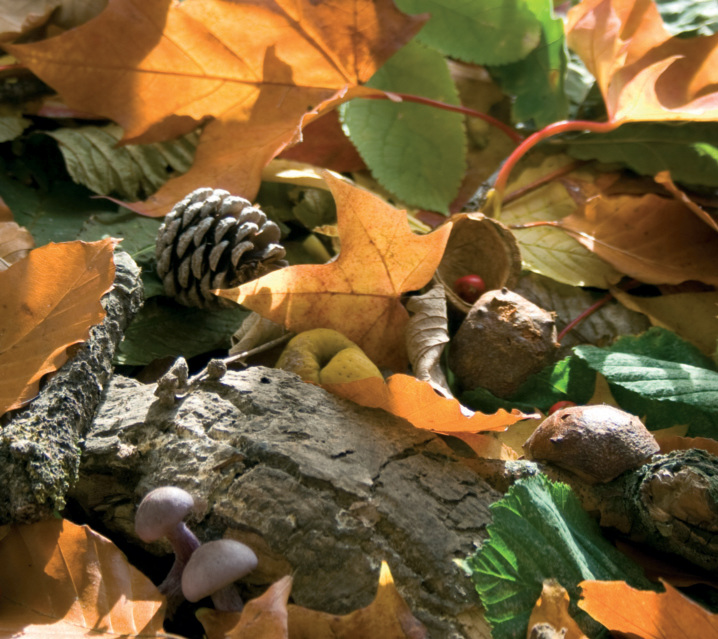
And here’s the secret to keeping the magic alive: themes, topics, and props. A seasonal theme (e.g. autumn leaves, winter snowflakes, spring flowers) instantly makes the gathering feel special and current.
A simple prop passed around the circle (a pine cone, a feather, a smooth pebble, a soft toy) gives children something tangible to focus on and creates a little ritual they genuinely look forward to.
Mix it up, follow the children’s interests, and don’t be afraid to be playful. When children walk through the door wondering, ‘What are we doing in circle time today?’ you know you’ve got something really special.
What surprised me most, when I began making mindful morning gatherings a regular part of the day, was how much it changed everything after the gathering too.
Children who started the day with a moment of calm and connection were more settled during activities. There were fewer conflicts. Emotional vocabulary grew as children began naming their feelings more naturally, drawing on the language of the circle.
The adults in the room felt it too; there was a different quality to the day when it began with intention.
A mindful morning gathering isn’t just a nice addition to your routine. It’s an investment in every single moment that follows.
Tesha Matthew is founder of Happy Little Humans® – a children’s emotional wellbeing and mindfulness organisation.