
Nilgün Erzincan shares a reflective comparison of Early Years practice in Türkiye and the UK…
Early years education shares universal goals, such as supporting children’s holistic development, and helping them become confident, socially connected and unique individuals.
At the same time, cultural factors, practical approaches and perspectives on family involvement can create notable differences.
Here, I want to highlight three differences I’ve observed in early years practices between Türkiye and the UK, and focus on their impact on children.
In Türkiye, class sizes are generally larger in public preschools and smaller in private settings. Unlike the UK ratio system, public preschools in Türkiye usually have one teacher responsible for the class’s core education, while private ones may have additional teachers, depending on their approach and capacity.
Teachers maintain frequent interactions with parents. Face-to-face meetings occur regularly, alongside daily or weekly feedback.
Educators widely use digital communication tools, such as parent/teacher WhatsApp groups, supporting informal contact between families and teachers.
This frequent communication allows teachers in Türkiye to develop a deeper understanding of children’s family contexts, strengthening emotional bonds between teachers, children, and parents.
Family involvement also impacts classroom activities and flow. For instance, some classrooms in public preschools have a “class parent” role, where a parent shares responsibility for organising events, supporting the teacher in family involvement activities, and contributing to the learning in the setting.
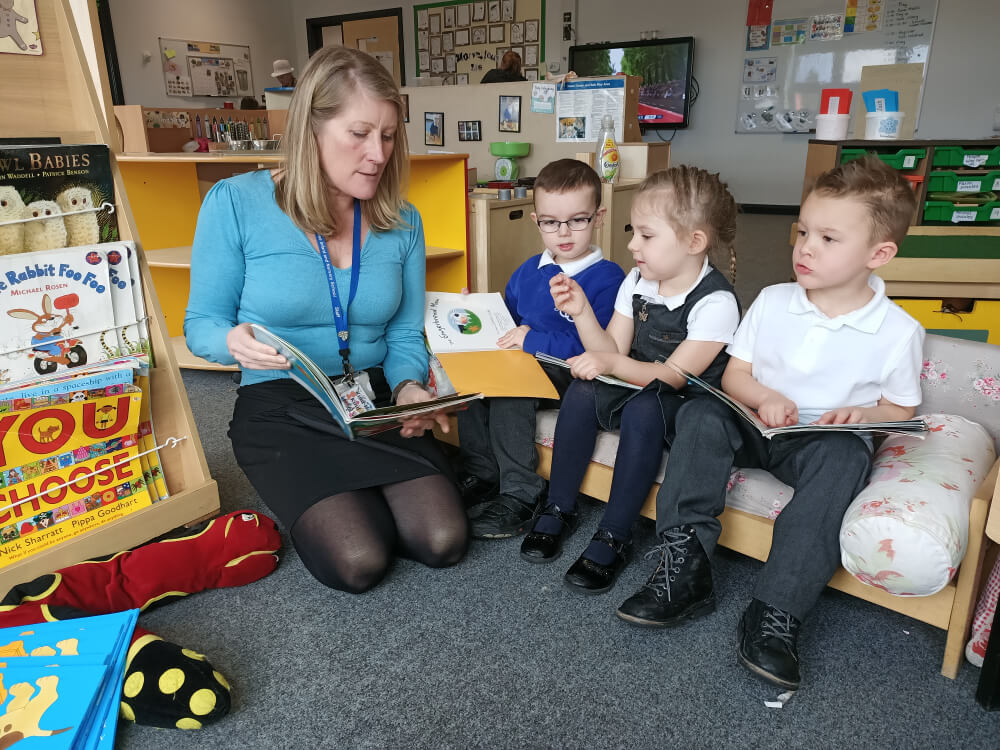
In the UK, teacher-child relationships are structured through the key person system, with fewer children per teacher compared to Türkiye.
Here, teachers establish secure attachments with children while maintaining clear professional boundaries with parents.
Communication is more often provided through daily reports, posts, and monthly observations, as well as face-to-face meetings.
These different approaches affect children’s social and emotional development. In Türkiye, children see their teacher as a secure adult and view the preschool as an extension of their home environment.
This can contribute to emotional security and support a sense of belonging. In contrast, children in the UK experience relationships with multiple adults while also forming a strong bond with their key person.
This connection can help them develop secure relationships with different adults and enhances their understanding of boundaries and independence.
In Türkiye, teachers generally plan early years activities as individual, small-group, or whole-group experiences.
While they may use one-to-one activities, daily practice often places greater emphasis on bringing children together to learn.
This might involve whole-group activities with a shared learning focus and small-group experiences tailored to children’s interests or developmental stages.
Within daily routines, teachers frequently use whole-group activities in Turkish early years settings. These may take the form of a single planned activity or, more commonly, integrated activities, supporting multiple areas of development within one learning process.
For example, in an activity such as “Find the fruit and match its colour”, children close their eyes to explore and identify fruits, then place them into the matching colour basket.
Through this process, teachers simultaneously support sensory exploration and early mathematical thinking, creating an integrated science and maths experience.
Based on my professional experience in the UK, activity practices tend to be more focused on small-group and individualised learning.
In England, the EYFS framework guides early years education. This promotes open-ended, exploration-based learning environments.
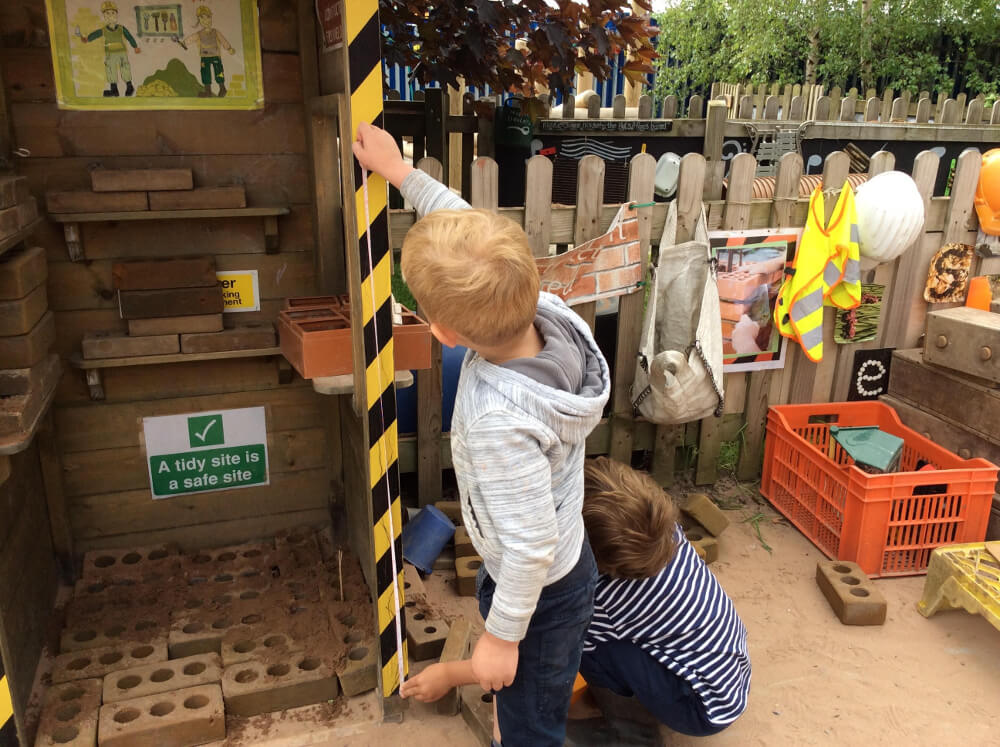
Educators carefully plan areas in the classroom that invite children to explore independently, while practitioners adopt a facilitative role.
Practitioners observe children closely there, extend learning through thoughtful interactions, and provide support that responds to individual needs.
Key persons frequently plan one-to-one or small-group activities to support their children’s learning and development.
While both Turkish and UK practices prioritise child-centred, sensory-rich experiences, you can observe differences in how teachers plan, structure and implement activities.
In the UK, teachers often shape activities fluidly in response to children’s interests in the moment, whereas in Türkiye, educators more commonly embed flexibility within planned activity frameworks, such as integrated activities.
These differing approaches may positively impact children’s development in different ways. In Türkiye, group-based learning experiences can promote social skills and collaboration, while also fostering listening skills and a sense of belonging.
In contrast, the individualised approach commonly seen in UK settings may support children’s independence, decision-making skills and growing sense of responsibility for their own learning.
Türkiye and the UK adopt different approaches to supporting children in becoming unique, independent individuals. Classroom routines, teacher-child interactions and learning processes reflect these.
Turkish settings tend to emphasise group-based learning, while practice in the UK often prioritises early independence and individual learning.
In Türkiye, early years education aims to develop children as active learners, with teachers taking a guiding role throughout the day.
In art, music, drama or other activities, teachers provide step-by-step support while allowing children to make their own choices and solve problems together.
For example, in a bridge-building activity, teachers might introduce different bridges and discuss features they have seen with children.
Parents may be involved to extend learning by observing bridges with their children. Children then draw and discuss imagined bridges before building them with materials.
During the building stage, the teacher encourages children to share their methods, observe the cause and effect relationships and help each other. This process may support social interaction, courage and self-confidence.
Daily routines are also largely group-focused, including morning circle, group play and tidying up the classroom together.
This approach may encourage children to exchange ideas, learn from each other and collaborate within the group.
In the UK, adults generally take on a facilitative role, encouraging children to try things independently and learn through experience.
While some routines are shared as a group, there is a strong emphasis on supporting children to manage everyday tasks for themselves.
Children are often given space to attempt self-care routines independently, with practitioners stepping in when needed rather than leading from the outset.
For example, children may be encouraged to clear their own plates after meals or take increasing responsibility during toileting routines, such as attempting to manage clothing or empty a potty with support.
Practitioners view these moments as opportunities for learning, confidence-building and decision-making, rather than tasks to be completed quickly or perfectly.
In Türkiye, daily routines are more often approached collectively and supported closely by adults. Shared responsibility and adult presence play a central role in helping children feel secure and cared for.
Within this approach, independence is supported, but it is often developed through guided participation.
For instance, routines such as tidying up or aspects of self-care may be introduced with more adult involvement, allowing children to build confidence gradually within a supportive framework.
Family relationships
Enhance your engagement with parents by fostering more frequent communications. For example, organise regular activities that encourage joint participation of parents and practitioners, or maintain interaction through a managed messaging group.
Whole-group learning
Incorporate planned whole-group and integrated activities that allow children to explore several areas of learning simultaneously.
This approach can help support collaboration and peer learning, and strengthen children’s sense of belonging in the group.
Collaborative activities
Implement group routines and collaborative activities in the classroom that encourage children to work together and support one another. These moments can help develop children’s social skills and build confidence within the group context.
Nilgün Erzincan is an Early Years teacher.
STEAM learning – Teaching it in Early Years
Editors picks
Keep SLC on top of the agenda
Editors picks