High-fibre foods have big benefits for young children, explains Beth Downie…
One of the most important nutrients for growing children is frequently overlooked: fibre. Despite its many health benefits, most children (and adults) in the UK aren’t eating enough.
The good news is that increasing fibre intake doesn’t require expensive superfoods or complicated recipes. In fact, a few simple “top, add and swap” changes can make a significant difference.
Fibre is found naturally in plant foods, including fruit, vegetables, beans, pulses, wholegrains, nuts, and seeds. Unlike other carbohydrates, fibre isn’t digested in the small intestine because our bodies don’t have the enzymes needed to break it down.
There are two main types of fibre, and both play a key role. Soluble fibre absorbs water to form a gellike substance in the gut, helping to support healthy digestion and regulate blood sugar levels.
Insoluble fibre adds bulk to stools, helping food move through the digestive system and reducing the risk of constipation.
A diet rich in fibre also supports a healthy gut microbiome by feeding the beneficial bacteria that live in the digestive system.
These bacteria play a vital role in overall health, and research suggests that establishing a healthy gut from an early age may have lasting benefits.
Eating enough fibre throughout life has also been linked with a lower risk of developing conditions such as heart disease, type 2 diabetes, and some cancers.
The recommended fibre intake is 30g per day for adults and 20g per day for primary school-aged children.
However, in the UK only around 14% of children and 4% of adults meet these recommendations, highlighting just how important it is to encourage fibre-rich foods from an early age.
Children aged 0–5 years have different nutritional needs from older children and adults. Once solid foods are introduced from around six months, it’s helpful to gradually offer a wide variety of naturally fibre-rich foods alongside milk feeds.
Rather than focusing too closely on specific guideline amounts, parents, carers, and early years settings should aim to provide a balanced diet that includes plenty of fruit, vegetables, beans, lentils and wholegrain foods appropriate to each child’s age and stage of development.
As children grow into toddlers and preschoolers, these foods help support healthy digestion while introducing them to different flavours, colours and textures.
Encouraging variety during the early years can help lay the foundations for healthy eating habits that last a lifetime.
Good fibre-rich foods for children under five include:
Remember that young children have small stomachs, so very high-fibre diets can fill them up before they’ve eaten enough energy and nutrients. The aim is balance, not simply adding as much fibre as possible.
Many preschoolers go through a phase of food refusal. It can be frustrating when favourite foods suddenly become unacceptable, particularly if vegetables seem to disappear from the menu overnight.
The reassuring news is that food fussiness is a normal part of child development. Young children are naturally cautious about unfamiliar foods, and it often takes repeated exposure – sometimes 10–20 occasions or more – before they’re willing to taste something new.
The key is to avoid pressure. Encouraging children to explore foods through play, cooking and repeated opportunities to see them on the plate can gradually increase acceptance over time.
Adding fibre to foods children already enjoy is often the easiest place to start. Try topping:
These small additions can quickly increase fibre while keeping familiar meals appealing.
Look for opportunities to add vegetables, beans or pulses into family favourites. For example:
Children often accept these ingredients more readily when they are part of meals they already know and enjoy.
Simple swaps can significantly increase fibre intake without changing the overall meal. Swap:
Introducing swaps gradually (e.g. by mixing white and wholemeal pasta) can help children adjust more easily.
Young children eat with their eyes first. Instead of asking them to eat “their vegetables”, try making food more playful:
Getting children involved in preparing food is one of the best ways to encourage healthy eating. Depending on their age, preschoolers can:
These simple activities build confidence around food and encourage curiosity about trying new ingredients.
And remember: parents and carers are powerful role models. Seeing trusted adults eat and enjoy a wide variety of healthy, fibre-rich foods encourages children to become more familiar with these foods and increases the likelihood that they will be willing to try them too.
As fibre intake increases, so should fluid intake. Water is the best drink for young children throughout the day, helping fibre move comfortably through the digestive system and supporting healthy bowel habits.
Many parents worry when their child goes through a fussy-eating phase. The reassuring news is that healthy eating is about what children eat over time, rather than at every single meal.
Small, consistent changes are much more effective than trying to overhaul a child’s diet overnight.
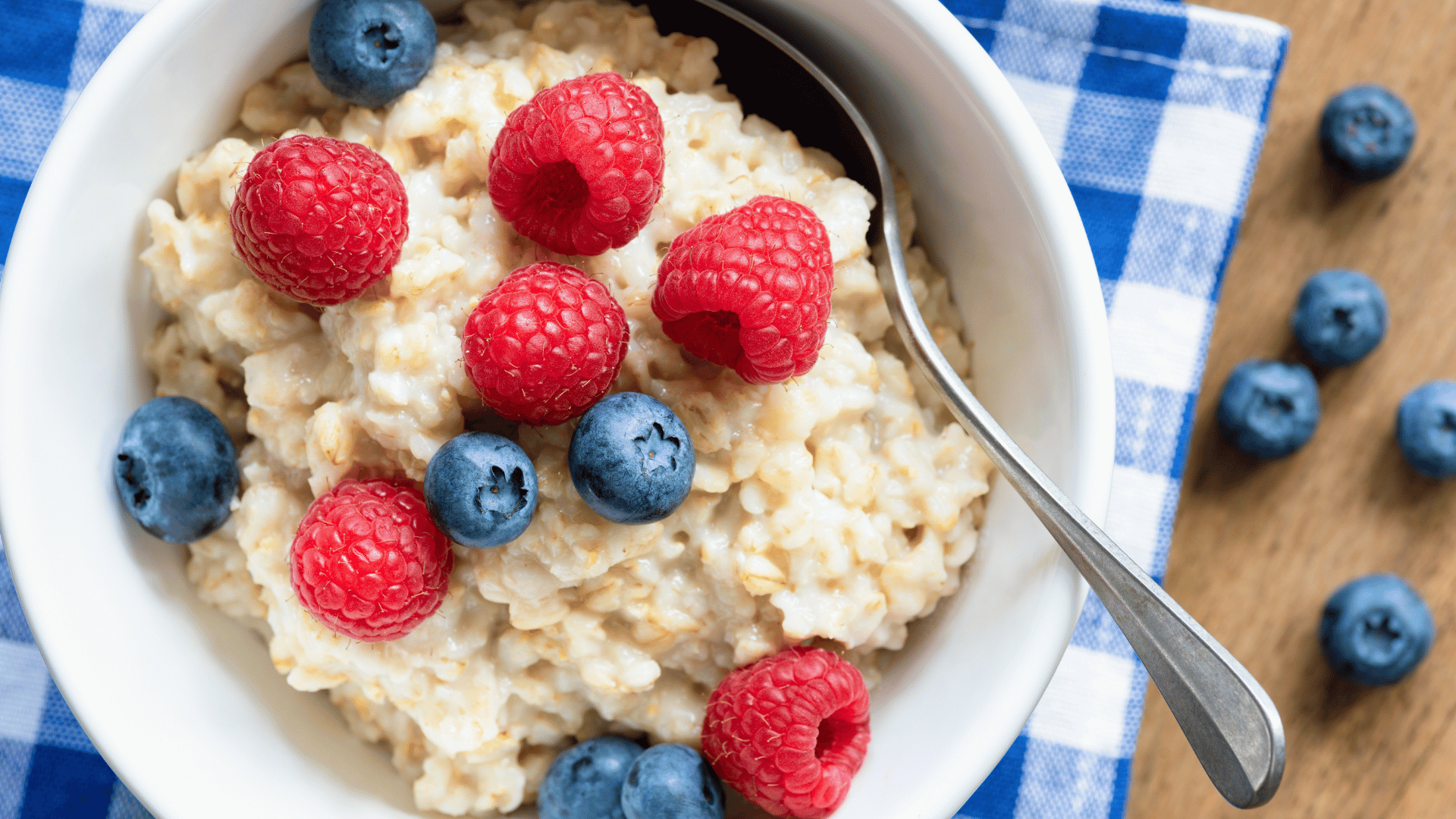
Overnight oats are a simple, nutritious breakfast that’s easy to prepare ahead of time and perfect for getting children involved in the kitchen.
Prepare them the night before, then enjoy them cold or, if preferred, add a splash of milk and warm in the microwave for 30–60 seconds.
The flavour combinations are endless, but some of our favourites include Very Berry, Carrot Cake, and Apple & Raisin Overnight Oats.
Adding fruit or vegetables to overnight oats is an easy way to boost fibre while naturally sweetening breakfast, reducing the need for added sugar or honey.
Beth Downie is a registered nutritionist. She has experience across the food industry, as well as in public health and community nutrition and wellbeing, and is a consultant nutritionist to Purely Nutrition and the PhunkyFoods programme.